
Understanding California property tax rates is essential whether you are buying, selling, investing, or planning long term. Property taxes affect monthly affordability, resale value, and financial strategy.
California’s system is unique. It rewards long term ownership and creates predictability, but it also requires careful planning at the time of purchase.
This article will help you understand what you need to know for 2026.
How California Property Taxes Work
California property taxes are governed primarily by Proposition 13, passed in 1978.
Proposition 13 established two foundational rules:
- The base property tax rate is 1 percent of a property’s assessed value
- Assessed value increases are capped at 2 percent per year unless the property is sold or significantly improved
This means your tax bill is not based on current market value each year. It is based on your assessed value, which typically starts at your purchase price and increases gradually.
What Is the Actual Property Tax Rate in California in 2026?
While the base rate is 1 percent, most homeowners pay between 1.1 percent and 1.3 percent of assessed value.
Why the difference? Local governments often add voter approved bonds and special assessments to fund schools, infrastructure, and community improvements. These vary by county and even by neighborhood.
In Los Angeles County, effective rates commonly fall within this range, though exact figures depend on the specific tax rate area. For detailed county information, you can reference the Los Angeles County Assessor.
The key takeaway is this: your effective property tax rate depends on location, but the 1 percent base established by Proposition 13 remains unchanged in 2026.
What Happens When You Buy a Home?
When a property changes ownership, it is generally reassessed at its new purchase price. That price becomes the new base year value for property tax purposes.
From that point forward, the 2 percent annual cap applies again.
For example, if you purchase a home for $1,500,000 in 2026 and the effective tax rate is 1.2 percent, your estimated annual property taxes would be approximately $18,000. That becomes part of your monthly housing obligation and factors into your mortgage qualification.
If you are evaluating affordability, we break down how taxes, insurance, and financing interact in our Home Buyers Guide.
Proposition 19 and Property Tax Transfers
Proposition 19, which took effect in 2021 and remains active in 2026, allows certain homeowners to transfer their existing tax base to a new property.
Eligible individuals include:
• Homeowners over age 55
• Severely disabled individuals
• Victims of natural disasters
This provision can be used up to three times for eligible homeowners over 55. It has become a powerful planning tool for downsizing while maintaining a lower tax base.
However, Proposition 19 also narrowed parent to child transfer exclusions for inherited property, which can result in reassessment in some situations.
Because these rules are nuanced, professional guidance is critical when making generational planning decisions.
Are There Property Tax Exemptions?
Yes, there are. The most common is the Homeowners’ Exemption, which reduces the assessed value of a primary residence by $7,000.
While the savings are modest, the exemption should always be filed for owner occupied homes.
There are also exemptions available for veterans, disabled veterans, and certain nonprofit organizations.
How Property Taxes Impact Home Value and Strategy
Property taxes influence more than monthly payments. They shape buyer behavior.
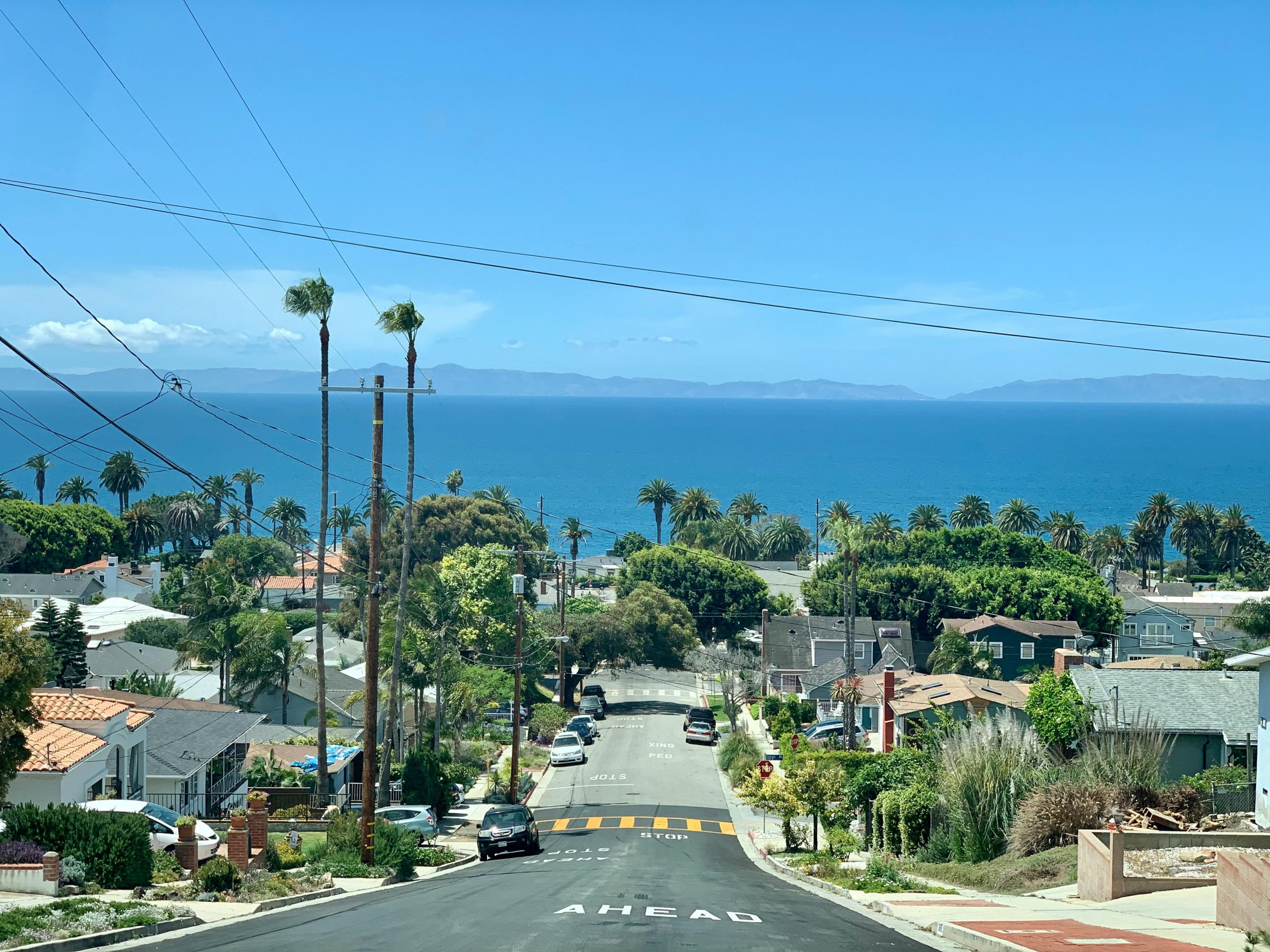
In coastal communities such as Palos Verdes and throughout Los Angeles County, long term owners often benefit from significantly lower assessed values compared to current market prices. This creates stability and can influence decisions around selling or holding property.
When positioning a property for sale, understanding how reassessment will affect buyers is part of strategic pricing and marketing.
Clear communication about estimated property taxes builds trust and strengthens negotiations.
Planning With Confidence in 2026
California’s property tax structure remains stable in 2026. Proposition 13 continues to provide predictability. Proposition 19 continues to influence mobility and inheritance planning.
Before purchasing, look beyond the list price. Review the property’s current assessed value, estimate the new base year value, and understand the local effective tax rate.
Property taxes are a long-term financial consideration that should align with your broader real estate strategy. When approached with clarity and informed planning, they become manageable and predictable rather than uncertain. Contact our team today for more information.
This article is intended for informational purposes only and does not constitute legal advice. For legal interpretation of disclosure requirements, consult a qualified California real estate attorney.
Call The Stephen Haw Group at 310.503.9886 or email [email protected] for other local area tips and recommendations.